Leave A Message
If you are interested in our products and want to know more details,please leave a message here,we will reply you as soon as we can.
submit
banner
Home

Blog

Blog

  • Choose the right shredder to take control of your operational costs.
    Jan 13, 2026
    Efficient shredder machine extend equipment lifespan, reducing replacement costs and downtime for better budget control.  1. Shredding efficiency: Measures how quickly a shredder processes materials. High output lets you handle large volumes and keeps your workflow running, which is crucial for reducing significant plastic waste. Make efficiency a priority in your selection. 2. Shredding effect: Consistent output size ensures materials are ready for the next step, streamlining downstream operations and quality. Ensure your processes benefit from this consistency—look for shredders with reliable performance. 3. Stability and durability: Stability means the shredder operates without unexpected stops, keeping the workflow productive. Durability describes how long it lasts and how often rarely used parts, such as blades, need to be replaced. This reduces maintenance and repair costs. Invest in stable, durable equipment to safeguard your operations.  
    Read More
  • Garbage resource recycling and utilization
    Jan 13, 2026
    1. Metal resource recycling: The separated metal components are smelted for recycled metal materials. High temperature smelting removes impurities from recycled steel and copper, making pure metals. These recycled materials are processed into various grades of steel, copper, and other metals. They are then used to manufacture machinery and building materials. As a result, metal recycling and utilization are achieved.  2. Transitioning to plastics, the plastic components in large garbage are crushed into small pieces and cleaned to remove impurities. The cleaned fragments are processed into pellets by a melting granulator. Additives and fillers can be added to improve performance. The modified pellets are used to produce products such as pipes and containers. This enables the recycling and utilization of plastic resources. 3. Wood resource recycling: Sorted wood materials have varied uses. Some are used directly as fuel in biomass power plants. Others are dried, cut, and sanded to produce building materials. These include plywood and particleboard for interior decoration and furniture manufacturing. This process fully leverages the value of wood. 4. RDF fuel preparation: Light materials are sorted and fed into an extrusion granulation machine. They are compressed into high-density RDF fuel. This fuel replaces traditional fossil fuels for power generation and heating. In some facilities, RDF is mixed with garbage for incineration. This improves efficiency and reduces pollution.  Coordinated classification, sorting, and recycling transform large amounts of garbage into valuable resources. This process yields economic, environmental, and social benefits.
    Read More
  • Large scale waste disposal process route
    Jan 09, 2026
    Large-scale waste generally refers to bulky items with high structural integrity. These are large, difficult-to-break items. They keep their shape under typical handling. Personnel must disassemble these items before further processing. Common examples include discarded household appliances and furniture. Their large volume and weight create logistical challenges during transportation and handling. Hazardous substances in some items, such as chemicals or heavy metals, pose risks to environmental quality and public health.   To manage large-scale waste, set up dedicated collection points and suitable waste containers. Use bins for metal or wood. Waste sources and uses differ. Waste may include residential furniture, such as sofas and tables, as well as industrial equipment, such as machinery and factory parts. The management process begins with a visual inspection. This is done by hand or with automated sensors to identify specific waste types and characteristics. Next, use weighing devices, such as scales, to determine mass. This helps with classification. Following this, conduct compositional analysis using laboratory methods. These may include spectroscopy or chemical assays. This enables precise categorization. For example, set up temporary storage areas in communities and add clear signage to guide disposal. Allow residents to schedule pickups with authorized providers. This initial assessment and setup smoothly transition the waste for pre-treatment.   Pre-treatment   The pre-treatment stage begins with feeding. Large-scale waste enters the processing line either by hand or with loading machinery. This ensures smooth entry to the next stages. Manual feeding works for smaller, lighter, and more regular-shaped items. Personnel move these items to the right spots. In contrast, mechanical loaders are needed for bulky and heavy waste. They accurately position materials at the inlet of the production line. This ensures a seamless start to processing. Once properly positioned, the waste is ready for disassembly.   Next, disassembly is performed. The nature of the waste determines whether manual, mechanical, or a combination of methods is used. Manual disassembly is flexible and precise, making it best for complex items needing careful handling, though it is labor-intensive and less efficient. Mechanical disassembly provides higher throughput and is suited for uniform, large-volume waste, but requires more advanced equipment. After disassembly, the materials proceed to the shredding stage, ensuring a consistent flow throughout the process.   Shredding stage   1. Primary shredding: After feeding, large-scale waste is taken to the primary shredder by a chain plate conveyor. This conveyor gives stable, continuous transport. It can handle high loads without slipping. The primary shredder uses shearing and tearing. This reduces waste to fragments measuring less than 300 mm. These fragments are then ready for secondary crushing.   2. Secondary shredding: Material from primary crushing moves to the secondary shredder. Particles are reduced to under 100 mm in size. This improves the efficiency of downstream sorting and resource recovery. Consistent particle size enhances separation based on physical properties. This increases the purity and quality of recovered materials. It prepares them for the subsequent sorting stage.   Sorting   Once shredding is complete, the material moves to a magnetic separator. This separator automatically removes ferrous metals for recycling, such as nails and screws. Next, an air classifier divides the remaining material into light and heavy parts. The light part can be used as refuse-derived fuel (RDF). The heavy part contains valuable materials, such as wood and non-ferrous metals. Wood in the heavy fraction can be separated manually or mechanically. Recovered wood can be used in biomass power plants. It can also serve as a construction material, such as plywood. These steps support resource recycling.  
    Read More
  • The Features and Advantages of Garbage Shredding Equipment
    Jan 09, 2026
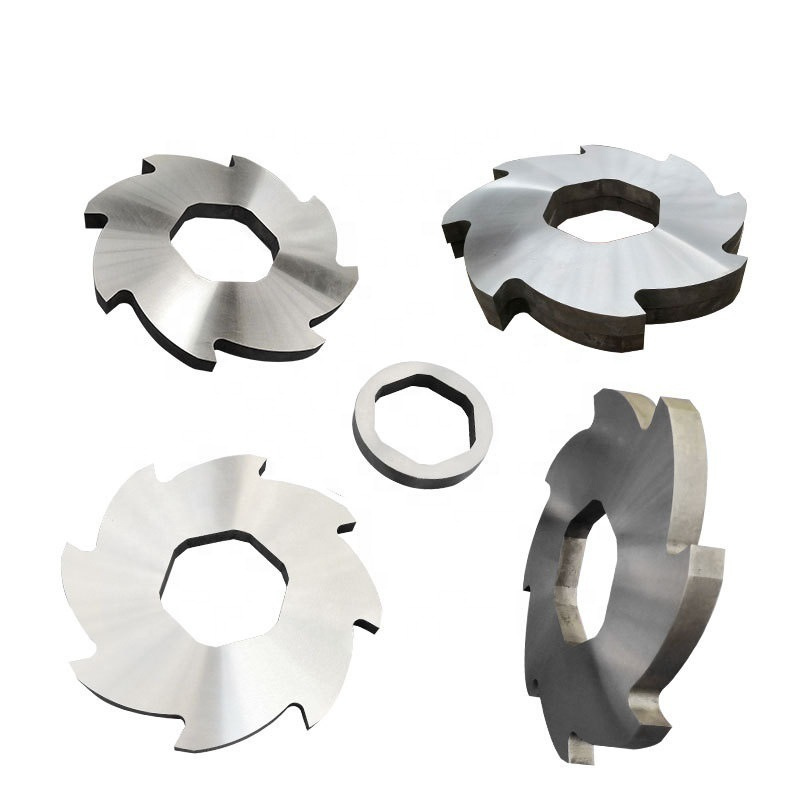
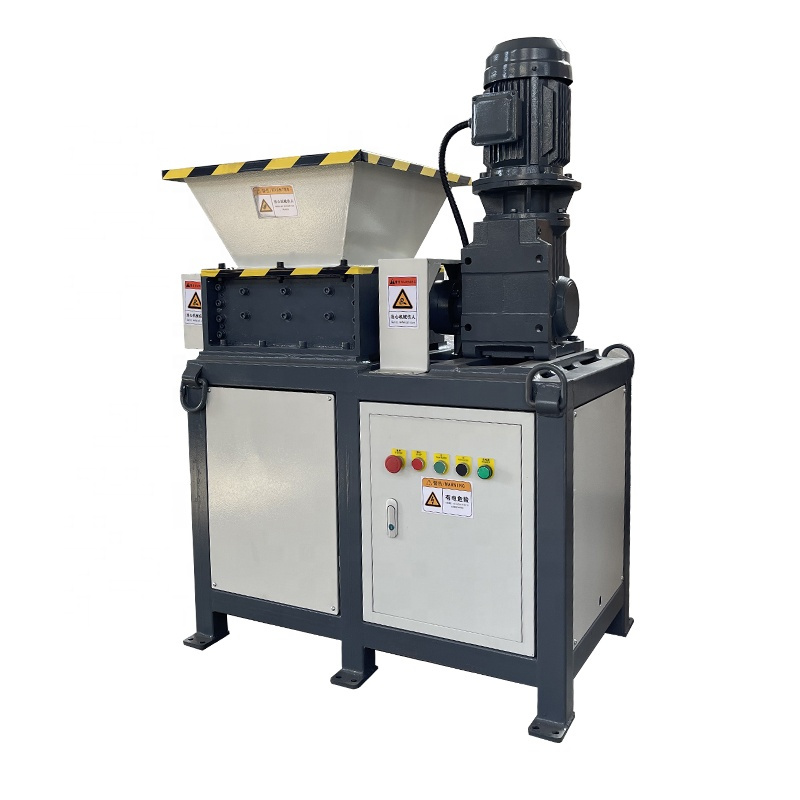
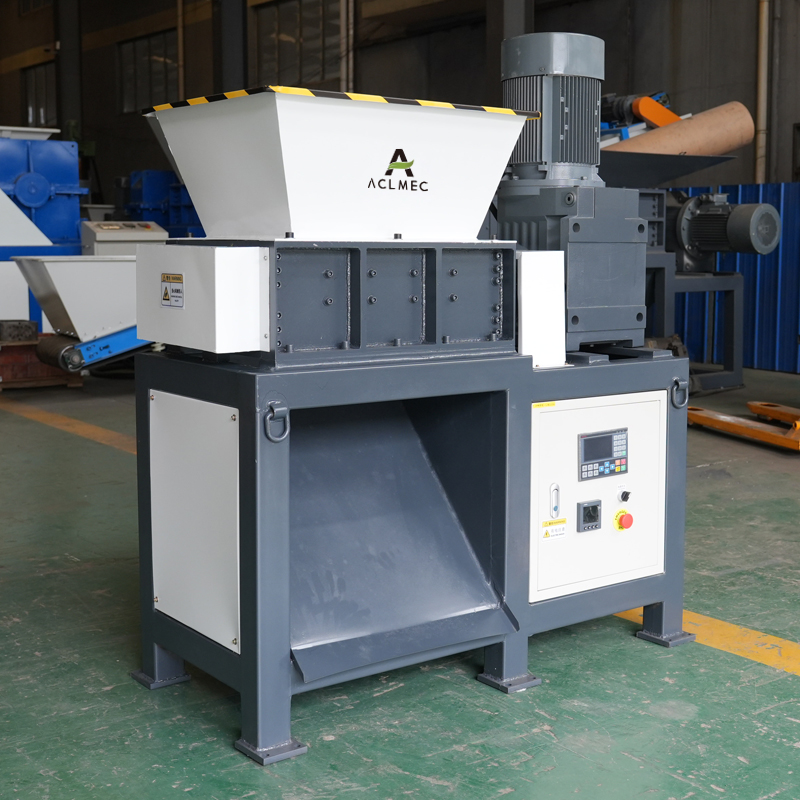
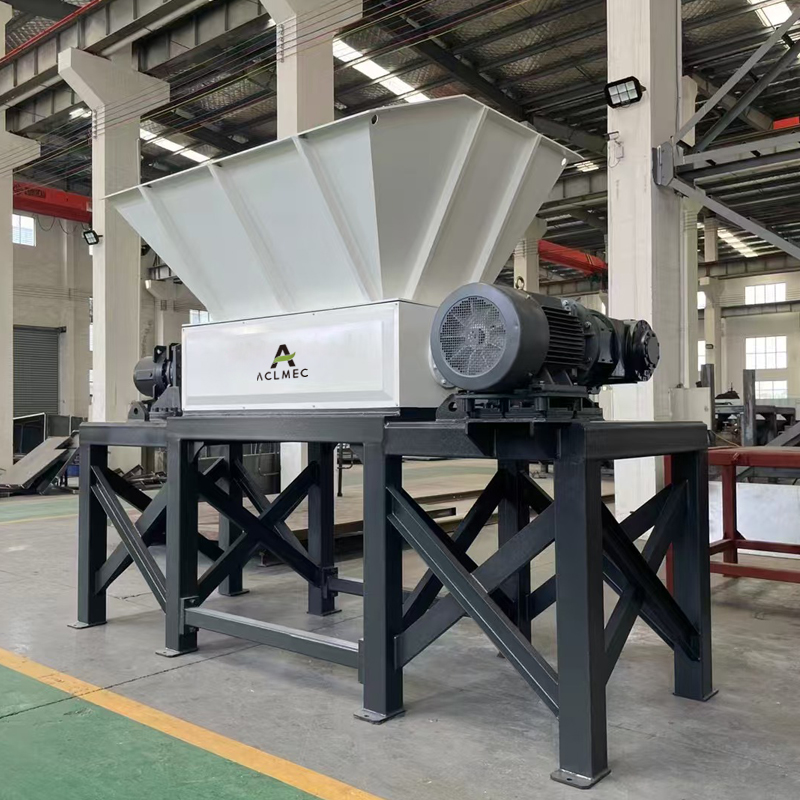
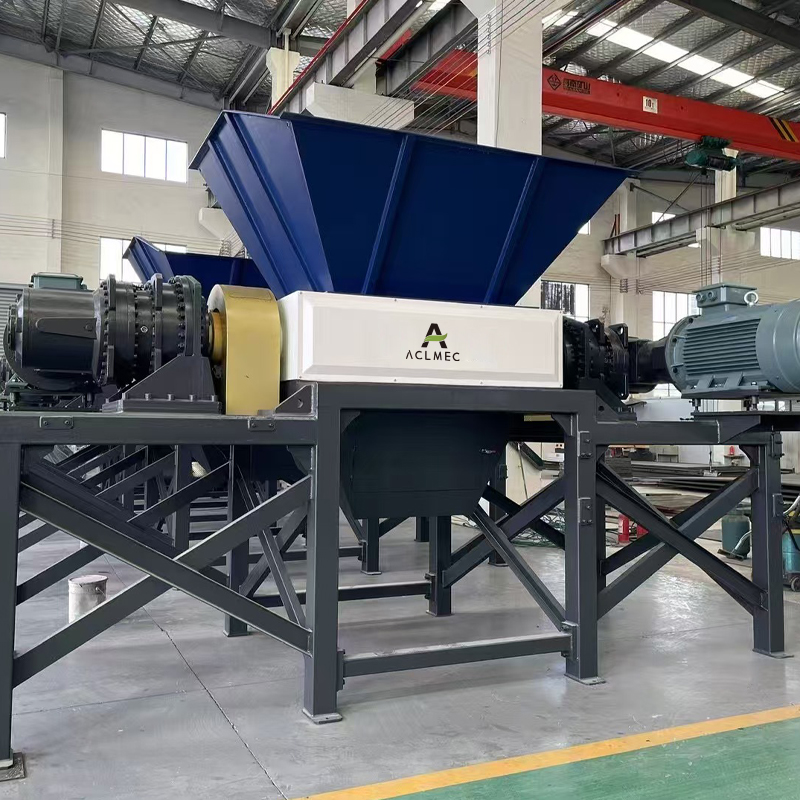
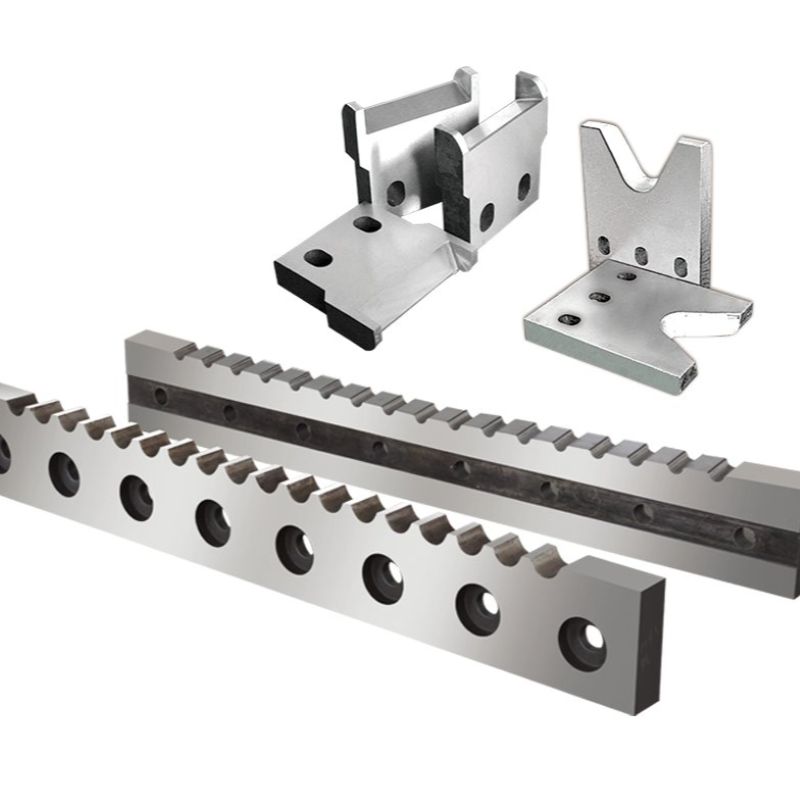
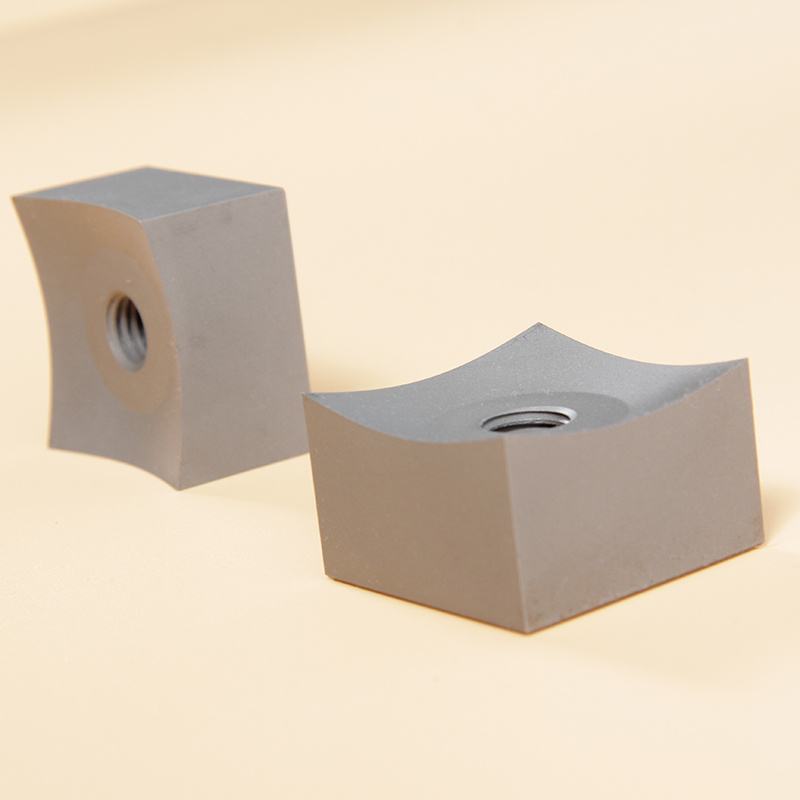
    The dual axis shredder is an important machine used in waste stations and recycling centers. Its main job is to handle large waste that can’t be easily compressed or moved. It uses two turning shafts with sharp blades to cut and tear big items—like old furniture, appliances, tires, plastic, and wood—into smaller pieces. This makes them easier to manage. With its powerful motor, the shredder can handle tough materials like metals and mixed materials. This makes it good for breaking down large waste at the start of the process.   The dual axis shredder includes a drive system, a rotor assembly, cutting tools, a structural frame, and an intelligent control system. The drive system uses 1-4 electric motors and gearboxes for stable power transmission and sufficient shredding force. The cutting tools, made of high strength, wear-resistant alloy steel, are matched to the specific input materials, ensuring durability and long life in continuous use. The control system features overload protection and automatic reversal, detecting resistance from non-crushable objects and reversing rotation to prevent damage and maintain efficiency. The shredder operates quietly and includes safety measures, such as emergency stop mechanisms, to protect operators.   Efficient and reliable, the dual axis shredder speeds up waste processing and makes compaction, separation, and recycling easier. This supports waste management facilities in reducing waste, recovering materials, and ensuring safe disposal for the environment.
    Read More
  • Garbage station equipments manufacturer
    Jan 09, 2026
    Urbanisation generates significant waste, which is managed at garbage stations. Equipment at these stations varies; configurations are based on function, processing capacity, and technical requirements. Common types of garbage station equipment include sorting equipment. Manual or automated machines that classify and recover valuable materials such as metals, plastics, and paper. This category includes conveyor systems (machines that automatically transport items), magnetic separators (machines that use magnets to pull out metal items), air separators (devices that use airflow to sort materials by weight), and similar machinery. Here, we focus specifically on sorting equipment. Sorting equipment plays an essential role in garbage station sorting systems. These machines efficiently isolate recyclables from mixed waste by assessing the physical properties of raw materials, thus increasing resource use. The main types of automated sorting equipment include air separators, eddy-current separators, drum screens, magnetic separators, and light-material separators. We provide the functions and operational principles below. An air separator uses aerodynamic principles to separate materials of different densities. It primarily separates light materials, such as plastics, paper, and fabrics, from household garbage or construction waste. The fan generates airflow that lifts and collects lighter materials, while heavier materials remain in place due to gravity or move to the next process. The air separator is well-suited to the initial sorting stage and significantly improves the efficiency of subsequent processing. An eddy current separator separates non-ferrous metals (such as aluminium and copper) from non-metallic materials. It operates via electromagnetic induction; a high-speed rotating magnetic roller generates eddy currents in metal particles, producing opposing magnetic fields that repel and extract metals from other waste. This machine delivers efficient, non-contact, automated separation in recycling electronics, municipal waste, and household appliances. A drum screen mechanically sorts waste by particle size. Its rotating drum with sieves lets smaller particles fall through the holes as waste is rotated, while larger particles move forward. Drum screens serve as primary classifiers in waste management, efficiently separating materials such as organic debris, sand, and plastics, and lay the groundwork for more detailed sorting. Magnetic separators extract ferromagnetic metals and serve as vital tools in waste sorting. Powerful magnets attract and remove iron or steel via belts or rollers. Placing magnetic separators above or at the end of conveyor lines enables continuous removal of iron contaminants, protects downstream equipment, and allows iron recycling. A light material separator isolates lightweight debris—such as plastics, foams, and cardboard—from construction or domestic waste. It combines air separation and screening with an inclined rotating drum and directed airflow. Centrifugal and wind forces throw and collect lighter materials, while heavier items roll down and exit via the drum. This process increases purity in recycled aggregates and other outputs. Modern garbage stations integrate these sorting machines into automated systems, which greatly increase processing speed and resource recovery. This approach reduces waste, promotes resource reuse, and ensures environmentally safe processing. Shredding and crushing equipment break large waste into smaller pieces for further processing. This category includes wood crushers, metal shredders, plastic squeezing machines, and related machines.   ACLMEC manufactures waste treatment equipment and supplies complete waste station systems. For further details, please contact the online customer service team.  
    Read More
  • The carpet shredder efficiently renews and reuses fibers, offering cost-effective recycling for discarded carpets
    Dec 25, 2025
    Disposing of large amounts of discarded carpet in places like stages and homes is challenging. About 80% of carpets are made from reusable materials, yet recycling remains difficult. As living standards rise, carpets now play important roles in hotels and conference halls beyond insulation. The carpet shredder targets scraps and waste carpets from manufacturers and efficiently crushes pure wool, blended, synthetic fiber, and plastic carpets.   The ACLMEC carpet shredder is efficient, energy-saving, and eco-friendly. Our factory developed it after years of research into shredders and recycling machinery. It has a novel design, small size, and compact structure. It is built for textile fibers with high tensile strength and easy entanglement, and an aclshredder handles harsh working environments.   The ACLMEC carpet shredder quickly shreds and collects textile and fiber waste—such as carpets, filaments, mesh cloth, felt, tubes, cotton cloth, linen, old clothes, and chemical fibers—without causing secondary pollution. Its energy-saving, eco-friendly process delivers high output, low energy use, and even fine crushing. The equipment operates quietly, produces high-purity results, is easy to use and maintain, and the ACL shredder has automatic feeding, supporting a cleaner environment while meeting high production demands.   The carpet shredder is crucial for recycling and reusing carpet materials. The ACLMEC carpet shredder aligns with green circular-economy concepts and facilitates the unified recycling and reuse of waste resources, helping reduce resource loss.
    Read More
  • How to reduce the size of used tires?
    Dec 25, 2025
    The ACLMEC tire shredding equipment is sturdy, durable, and easy to maintain, and produces high-quality rubber fragments at a low cost, with a capacity of up to 10 tons per hour for use as fuel in various industrial facilities.   Follow several sequential steps to reduce the size of used tires. Feed whole tires into the primary double shaft shredder with the conveying system. Shred them into long, strip-shaped fragments with high torque and low speed. Obtain fragments about 50mm wide and 300-400mm long. Return any fragments over 150mm for reprocessing to keep sizes between 50mm and 150mm.   In the next step, fragments are conveyed by a conveyor into the secondary single shaft fine shredder. Here, a screen mesh precisely separates the fragments into a uniform size of 20-30mm. During this stage, steel wires contained in the tires are separated from the rim and tread areas and removed using a magnetic separator. This ensures the tire fragments produced are highly pure and suitable for further processing.   By following these sequential steps, waste tires are converted into high quality, low-steel tire-derived fuel (TDF), creating an ideal energy option for combustion applications.
    Read More
  • How effective is the paper mill waste shredder at improving waste treatment at paper mills?
    Dec 25, 2025
    The paper mill waste shredder plays a crucial role in improving waste treatment at paper mills. As many domestic mills face high costs for raw pulp derived from tree bark and wood, there has been a shift toward using agricultural waste biomass—mainly rice straw and wheat straw—for papermaking. These materials must be reduced to pieces measuring less than 5cm to ensure efficient filament drawing and pulp processing. The shredder efficiently handles this size reduction, optimizing the waste treatment process and overall production efficiency in paper mills.   After the initial size reduction, paper mills typically send the pulp to third-party companies for further processing. These companies further reduce the collected straw raw materials into pieces measuring less than 5cm through secondary shredding. The main equipment used is a double-shaft shearing shredder or crusher, which provides large processing capacity, small output particle size, and the ability to handle both dry and wet materials without clogging. This ensures the equipment operates stably and reliably, supporting continuous, stable operation of the entire production line, improving production efficiency, extending equipment operating time, and increasing output.   Following these shredding stages, the paper mill waste shredding and sorting system proceeds through several steps: primary shredding, sorting, secondary shredding, magnetic separation, impurity removal, and forming.   Paper mills generate various types of waste, including twisted ropes and pulp residues. Improper storage and handling of these materials can result in significant environmental pollution. The stranded rope contains substantial amounts of iron wire, often entangled with plastic, which makes direct separation and recycling difficult. Shredding the ropes before separation enables more efficient recycling of both plastic and iron wire.   ACLSHRED is a professional factory specializing in solid waste pretreatment equipment. Currently, its equipment is widely used in paper mills across Mainland China and other regions. The equipment is stable and reliable, effectively enhancing the production efficiency of customers' existing production lines, resulting in a significant increase in effective output, greater profits, and unanimous praise from customers. These results demonstrate the vital role that advanced waste shredding systems play in transforming waste management and boosting overall paper mill efficiency.
    Read More
  • What are the main ways to handle solid waste?
    Dec 25, 2025
    Solid waste refers to the solid and semi-solid waste generated by humans in production, consumption, daily life, and other activities. The main components of solid waste include: solid particles, garbage, slag, sludge, waste products, broken vessels, animal carcasses, deteriorated food, and human and animal manure. Some countries also classify waste acids, alkalis, waste oils, organic solvents, and other highly concentrated liquids as solid waste. So, what are the main ways to deal with solid waste in our country? 1. Compaction: This method compresses solid waste to reduce its volume, lower transportation costs, and extend landfill lifespan. It is applied to materials like automobile parts, cans, and plastic bottles. Compaction is used for dry, rigid solid waste, while wastes such as tar, sludge, or liquids are not suitable because they may cause operational issues. 2. Sorting technology: Through sorting, useful waste is fully selected and utilized, while harmful waste is fully separated. Another one is to separate wastes of different particle sizes. For solid wastes of different natures, various types of machinery can be designed and manufactured. Its main steps include manual collection, screening, gravity separation, magnetic separation, eddy-current separation, and optical separation. 3. Crushing: This method reduces the size of solid waste before further treatment, such as incineration or composting. Crushing creates uniform particles by shearing waste with rotating knives driven by a power system. This eliminates large gaps and ensures even texture and size. 4. The advantages of incineration and pyrolysis technologies are that they can decompose a large amount of hazardous waste into harmless substances. As the proportion of combustibles in solid waste gradually increases, the incineration method for treating solid waste and utilizing its thermal energy has become an inevitable development trend. This method for treating solid waste requires less space, has a high processing capacity, and has a positive impact on environmental protection and energy supply. 5. Biological treatment: This method uses microorganisms to decompose and convert organic waste into energy, feed, or fertilizer. Biological treatment is applied in composting, biogas production, saccharification, fiber-based feed production, and bioleaching to extract metals. 6. Solidification: This process adds stabilizing agents to hazardous waste, fixing or immobilizing it. Methods include cement, asphalt, glass, and self-adhesive curing to make waste inert and easier to handle or dispose of safely.
    Read More
  • Opinions on Accelerating the Construction of a Waste Recycling System
    Dec 18, 2025
    The primary objective is to establish a comprehensive waste recycling system by 2025, achieving clear progress in the reuse of principal waste types. Annually, 4 billion tons of major industrial and agricultural waste—including mine tailings, coal ash, coal residue, smelting waste, by-product gypsum, construction waste, and straw—will be repurposed. The reuse rate for new bulk solid waste types will reach 60%. Key recycled resources, such as scrap metal, waste paper, plastics, rubber, and glass, will total 450 million tons annually. The recycling industry’s annual value will reach 5 trillion yuan. By 2030, the goal is to create an efficient, comprehensive waste-recycling system. Targets include fully tapping the value of all types of waste, increasing the proportion of recycled materials in the raw material supply, and positioning the industry among the world's leading in scale and quality. Encourage careful handling and effective recycling of waste, and improve management of industrial waste. Hold waste-producing units accountable and establish clear management records for general industrial waste. Encourage sorting and storage to prevent mixing and disposal, ensuring conditions for resource recycling. Improve the collection system for agricultural waste. Establish and improve the collection, treatment, and utilization system for livestock and poultry manure, and build supporting facilities, including centralized collection and treatment of livestock and poultry manure, and storage and utilization of biogas residue and liquid, in accordance with local conditions. Improve the straw collection, storage, and transportation system, guide major straw producers to collect and store straw on-site, and cultivate third-party service entities for collection, storage, and transportation. Promote the classification and recycling of social source waste. We will continue to promote the work of classifying domestic waste. Improve the recycling network for various types of waste, including household appliances and electronic products. Further enhance the pretreatment capacity in the recycling process of waste materials. Promote the integration of domestic waste classification network points and waste material recycling network points. Enhance resource utilization and waste reuse, and strengthen comprehensive utilization of bulk solid waste. Further expand the channels for the comprehensive utilization of bulk solid waste. Under the premise of meeting environmental quality standards and requirements, strengthen the promotion and application of comprehensive utilization products in the construction field, smooth the channels for the utilization and absorption of underground filling, ecological restoration, roadbed materials, etc., and promote the efficient extraction and clean utilization of valuable components from tailings and smelting slag. Strengthen the efficient utilization of renewable resources. Encourage the rational extension of the deep-processing industrial chain for recycled resources, such as scrap steel, scrap non-ferrous metals, waste paper, and waste plastics. Support the green, mechanized, and intelligent quality improvement and transformation of existing projects for the processing and utilization of recycled resources. Encourage enterprises and research institutions to enhance the research and development of technical equipment and support the promotion and application of advanced technologies.
    Read More
  • How does a shredder shred industrial solid waste?
    Dec 18, 2025
    With the advancement of industrialization, industrial solid waste is increasing annually. Effectively handling this waste, especially through crushing and reuse, is a key issue in environmental protection and resource recycling. As an efficient crushing device, the shredder plays an important role in the treatment of industrial solid waste. There are various types of industrial solid waste, including metal scrap, plastics, rubber, electronic waste, medical waste, living waste, and used tires. These wastes are hard, dangerous, and tough to decompose by hand. Shredder machines are therefore important. The mechanical force at the shredder's knife edge efficiently breaks waste into smaller particles or fragments, facilitating subsequent processing or reuse. Specifically, shredders are usually equipped with two knife shafts rotating in opposite directions. The blades generate shearing, tearing, and squeezing effects through rotation. The industrial solid waste entering the equipment is seized by the blades, continuously crushed, and eventually screened out by the screen mesh to meet the required particle size. The shape and layout of the shredder's blades can be customized according to different types of solid waste to meet the crushing requirements of various materials. For instance, when it comes to metal waste, the shredder blades are harder and more wear-resistant to withstand the metal's hardness. As for waste plastics or rubber, the blades are designed for higher cutting efficiency. In addition, the shredder is driven by one or two motors. And reducers convert high-speed power into low-speed, high-torque rotation of the knife shaft, ensuring continuous, stable, large-scale processing. The working theory of shredders sounds easy. But at the same price level, only ACL shredders can effectively reduce the volume of industrial solid waste, separating, facilitating storage and transportation, and enhancing the efficiency of subsequent material sorting and recycling, thereby maximizing resource utilization.
    Read More
  • Shredders play a significant role in the contemporary industry and environmental protection
    Dec 18, 2025
    Shredder machine provide superior efficiency and are pivotal in industrial waste reclycling production. They handle bulk solid materials, such as scrap metal, plastic, and wood, reducing them to small pieces. Their effectiveness spans renewable resource recycling, construction waste management, and electronic waste dismantling. Their powerful shredding capabilities allow users to sort and repurpose materials optimally. ACL shredders emphasize environmental stewardship in design. Traditional crushers produce considerable dust and noise, but shredders don’t have these problems. Not only because of the shredding way of itself, but also because advanced shredders greatly curb secondary dust through enclosed engineering and mitigate noise pollution with silencing systems. These innovations advance circular economy initiatives and bolster industrial sustainability. Advancements in technology have enabled shredders to offer increased intelligence and automation. Upgraded with IoT (Internet of Things), these devices monitor operational status in real time and predict maintenance requirements, thereby improving production efficiency and reducing labor costs. Continued innovation in this field is anticipated with a focus on sustainability and productivity.
    Read More
1 2 3 4 5
Information
Get in touch
If you are interested in our products and want to know more details,please leave a message here,we will reply you as soon as we can.
submit
The Backbone of Customer Satisfaction

leave a message

leave a message
If you are interested in our products and want to know more details,please leave a message here,we will reply you as soon as we can.
submit
Contact Us: wen@aclshred.com

home

products

WhatsApp

CONTACT US