Leave A Message
If you are interested in our products and want to know more details,please leave a message here,we will reply you as soon as we can.
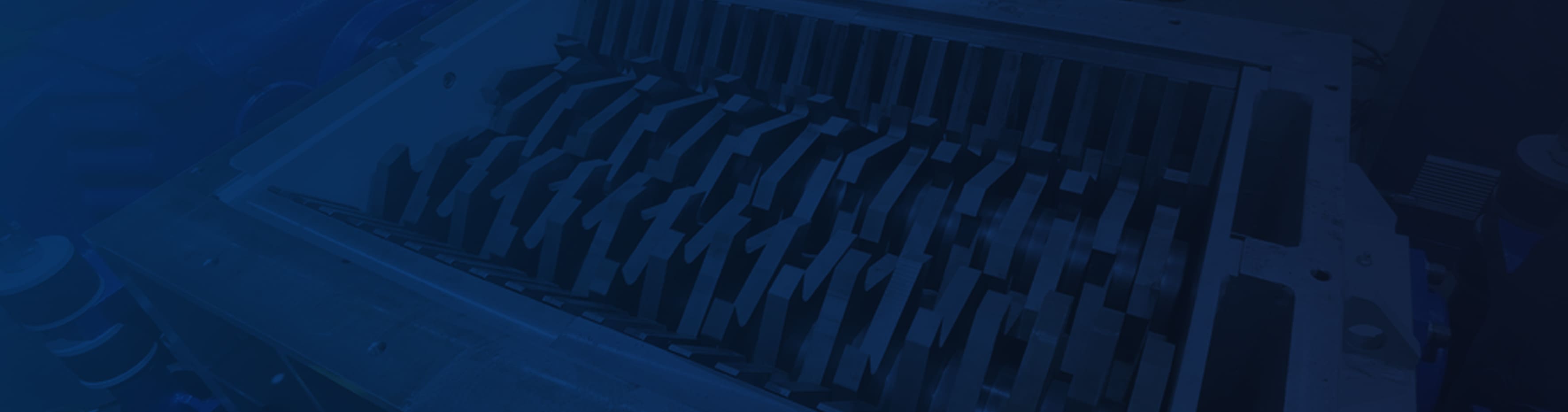
A dual shaft shredder can indeed control the size of the shredded material. This is mainly achieved by adjusting the following key parameters:
Blade and gap adjustment: Adjust the blades on the shredder, including the number, shape, and arrangement of the blades. Different blade configurations will affect the size and shape of the shredded material. At the same time, the gap between the twin shafts can be adjusted according to the desired fragment size. Smaller gaps typically produce finer pieces, while larger gaps may produce larger pieces.
Shaft speed and rotation: Adjusting the shaft speed of the twin-shaft shredder also affects the size of the shredded material. Higher speeds generally produce finer fragments, while lower speeds may produce larger fragments.
Feeding speed: Controlling the feeding speed of the raw material can also influence the size of the shredded material. A faster feeding speed may result in insufficient shredding and larger fragments, while a slower feeding speed can lead to more precise shredding, producing smaller fragments.
It is important to note that adjusting a twin shaft shredder to produce specific sizes and shapes of fragments requires some experience and testing. Gradually adjusting the parameters and regularly inspecting and maintaining the machine can ensure that the shredder remains in good condition and produces the desired fragment size.
Additionally, it is also crucial to select a twin shaft shredder model and specification suitable for the material characteristics and required output size. For example, considerations should include the material's hardness, moisture content, and output size requirements to choose the appropriate shredder model and power.




 IPv6 network supported
leave a message
Scan to wechat :

Scan to Whatsapp :