Jul 29, 2026
Plastic film recycling presents a unique engineering challenge. Unlike rigid plastics like HDPE or PET containers that crack and break cleanly under high pressure, flexible films (such as LDPE packaging, agricultural mulch, stretch film, and PP woven bags) tend to stretch, bundle, and wrap tightly around rotating machinery.
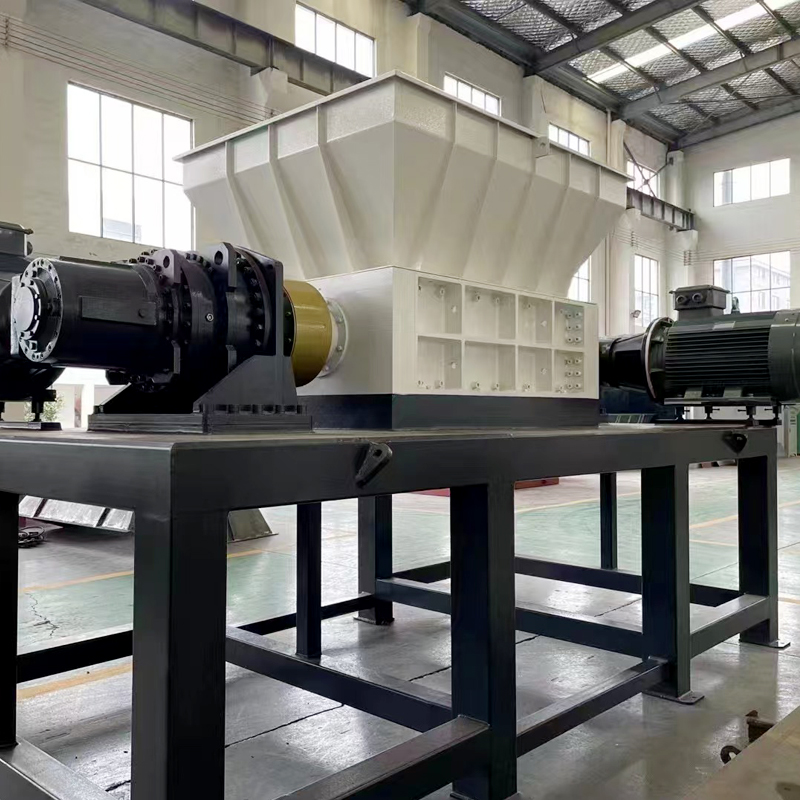
When conventional size-reduction equipment handles soft plastics, operators frequently encounter rotor jamming, material bridging, and frustrating downtime caused by film winding around the shaft. However, a specialized Plastic Film Two Shaft Shredder is engineered specifically to overcome these obstacles.
Plastic waste management presents unique engineering challenges, particularly when dealing with winding, flexible, and stretchy materials like agricultural films, packaging wraps, and shopping bags. Traditional single-shaft shredders or high-speed granulators often struggle with these materials, frequently suffering from severe shaft wrapping, jamming, and reduced throughput.
Enter the dual-shaft shredder—a heavy-duty recycling powerhouse engineered specifically to tackle tough, fibrous, and stretchy plastics. This guide explores how dual-shaft shredders achieve high-efficiency processing for winding plastic films and how to optimize your shredding operations.
1. Why Winding Plastic Films Challenge Recycling Equipment
Plastic films possess physical properties that make standard size reduction notoriously difficult:
High Ductility and Tensile Strength: Films stretch rather than shear cleanly under low-torque forces.
Winding Tendency: Loose films easily wrap around rotating shafts, cutting blades, and bearings, causing friction, overheating, and equipment stalls.
Low Bulk Density: Loose film creates feeding inefficiencies, requiring aggressive pre-compaction or specialized intake mechanisms.
Without the right machinery, plants face constant downtime for manual clearing and high maintenance costs.
2. The Core Mechanisms of Dual-Shaft Shredders
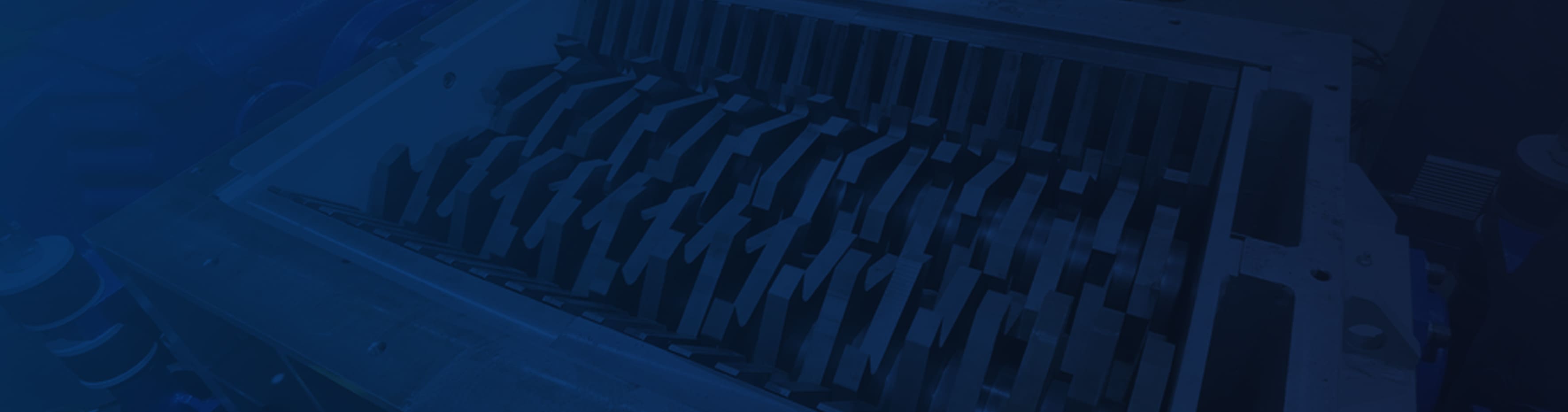
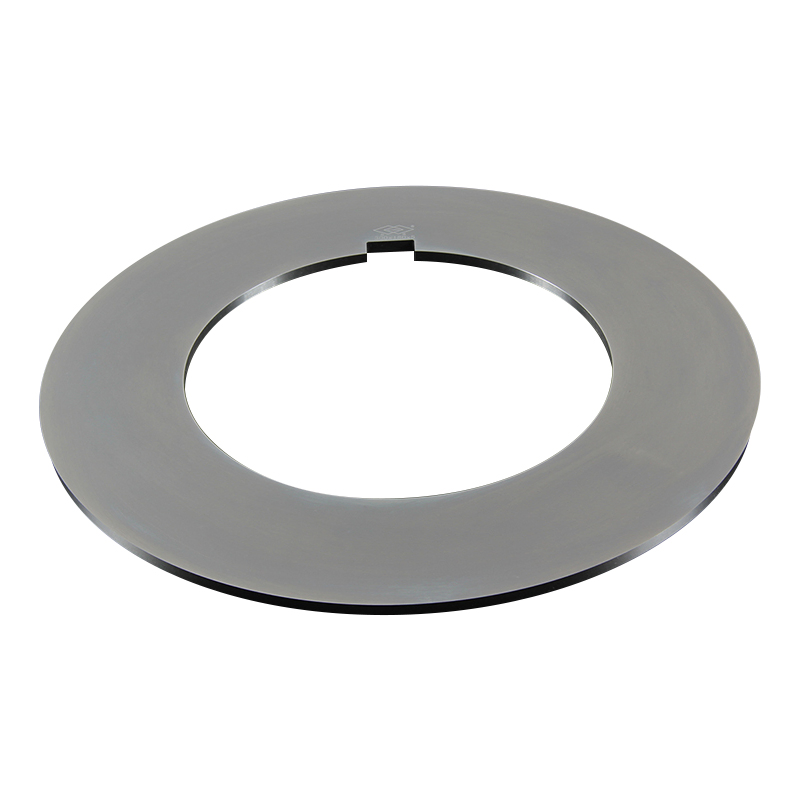
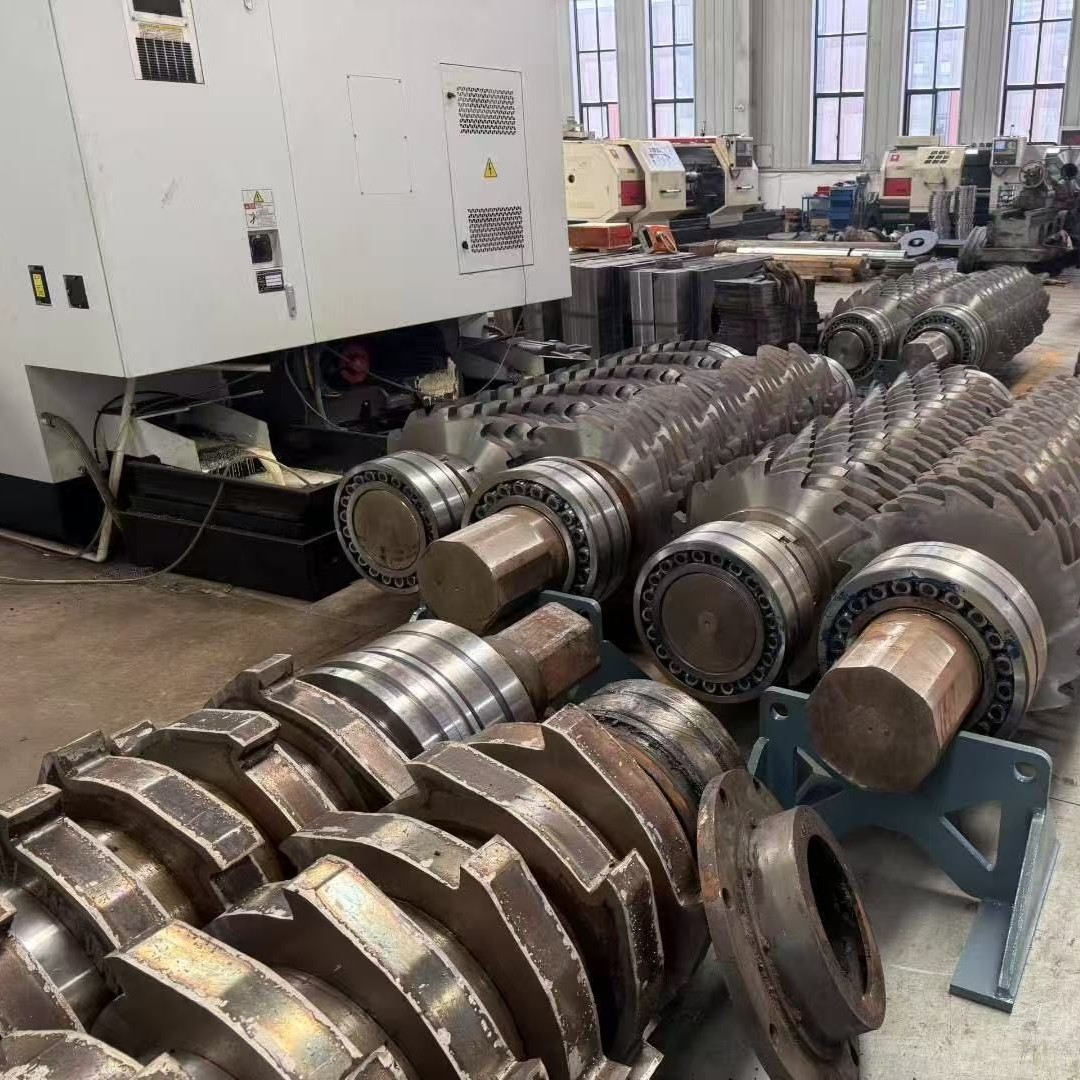
Dual-shaft shredders (also known as slow-speed, high-torque shredders) utilize two parallel counter-rotating shafts equipped with specialized cutting disks. This design solves film-shredding challenges through several key mechanical advantages:
A. High Torque at Low Speed
Operating at low RPMs (typically 10 to 30 RPM), dual-shaft shredders rely on massive torque rather than cutting velocity. Instead of slicing the plastic like a pair of scissors, they rip, tear, and shear the material. This prevents films from sliding harmlessly past the blades.
B. Interlocking Cutter Design
The cutting disks feature hooks or claws that interlock tightly. As the shafts rotate in opposite directions, the clearance between the cutters is meticulously controlled to ensure positive displacement. This prevents long strips of film from slipping through uncut.
C. Automatic Anti-Wrap and Reversal Systems
Modern dual-shaft shredders are integrated with intelligent Programmable Logic Controllers (PLCs). If the sensors detect a sudden load spike caused by severe film wrapping or un-shreddable debris, the shafts automatically reverse for a few rotations to clear the jam, then resume forward operation autonomously.
3. Best Practices for Maximizing Efficiency
To achieve optimal throughput and minimize downtime when processing winding plastic films with a dual-shaft shredder, consider the following operational strategies:
Optimize Cutter Geometry: Use wider hooks and specialized thin-profile cutters designed to minimize surface area where films can cling.
Incorporate Force-Feeding Systems: Equip the shredder with a hydraulic pusher ram. A hydraulic pusher exerts consistent downward pressure on bulky baled or loose films, forcing them continuously into the active cutting chamber.
Pre-Shredding vs. Single-Stage Processing: For extremely thin agricultural or stretch films, a primary dual-shaft shredder can break down bales into manageable strips, which are then fed into secondary granulators or densifiers without wrapping risks.
Read More





 IPv6 network supported


