Leave A Message
If you are interested in our products and want to know more details,please leave a message here,we will reply you as soon as we can.
submit
banner
Home

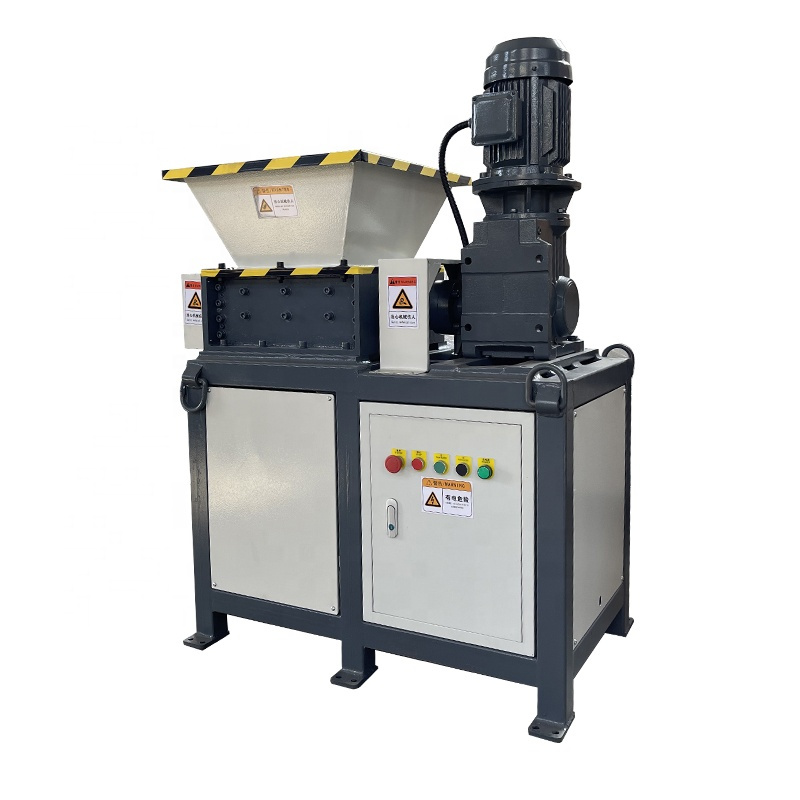
Plastic shredder machine

Plastic shredder machine

  • The daily work and principle of a shredder machine
    Oct 20, 2026
    In modern industrial manufacturing, waste recycling, document security, and everyday office life, an indispensable machine plays a role that looks cold yet is exceptionally efficient—the shredder machine. From heavy-duty industrial beasts that instantly tear scrapped cars and tires into shreds, to desktop paper shredders protecting commercial secrets and personal privacy, shredders span different sizes and fields, quietly reshaping our resource recycling methods and information security defense lines. I. Working Principle of a Shredder: A Combination of Brute Force and Precision Although sizes and applications vary, the core principle of the vast majority of shredders is largely the same: using high-hardness cutting tools, enormous torque, and relative motion (such as shearing, tearing, and crushing) to break large-volume or high-toughness materials into smaller particles or strips. Low Speed, High Torque: Industrial shredders usually adopt a low-speed design, providing massive torque through a reduction gearbox. When facing heavy metals, large blocks of plastics, or wood, they do not rely on "high-speed rotation" to cut; instead, like the fangs of a giant beast, they literally "tear" the materials apart with overwhelming force. Multi-Shaft Linkage Design: Depending on the materials being processed, shredders can be classified into single-shaft, dual-shaft, and four-shaft configurations. Dual-shaft shredders typically employ two counter-rotating cutter shafts with staggered blades, possessing exceptional material-grabbing and shredding capabilities. II. The "Devourer" in the Industrial Field: The Unsung Hero of the Circular Economy In the fields of industry and waste recycling, the shredder is the first line of defense for achieving waste reduction and resource utilization. Without them, massive amounts of waste could not enter subsequent sorting, smelting, or remolding processes. Scrap Steel and End-of-Life Vehicle Recycling: Large-scale metal shredders can easily "swallow" entire scrapped vehicles or large home appliances, shredding them into fist-sized metal pieces while effectively separating steel, non-ferrous metals, and non-metallic impurities, providing high-quality furnace charge for smelters. Plastic and Rubber Regeneration: Hard-to-degrade materials such as waste plastic bottles, plastic pallets, and rubber tires are pre-processed by shredders into uniform fragments, making them much easier to clean, melt, and granulate. Bulky Waste and Biomass Processing: In municipal solid waste treatment, bulky items like discarded sofas, mattresses, and garden branches must first be crushed by shredders before they can undergo incineration, composting, or biomass power generation. III. The "Strangler" of Information Security: The Office Guardian Protecting Privacy When we shift our focus from heavy industry to the modern office, the shredder transforms into a loyal guardian protecting confidential documents. In today's ubiquitous risk of information leakage, the paper shredder is a standard confidential tool for every enterprise and institution. From early "strip-cut" shredding to today's high-security-level "cross-cut" or "micro-cut" shredders, documents are cut into thousands or even tens of thousands of tiny fragments, completely cutting off the possibility of document restoration through piecing together.
    Read More
  • Small vs. Large Double Shaft Shredder: Which Do You Need?
    Small vs. Large Double Shaft Shredder: Which Do You Need?
    Jul 13, 2026
    When investing in a dual-shaft shredding system, choosing the right scale is critical for maximizing ROI. Both small and large double shaft shredders utilize high-torque, low-speed technology to shear tough materials, but they serve entirely different operational needs. Here is how to decide which one fits your facility. When to Choose a Small Double Shaft Shredder Small or compact double shaft shredders are ideal for localized, light-to-medium-duty recycling. Best For: E-waste (hard drives, circuit boards), plastic bottles, medical waste, and secure document destruction. Key Advantages: They offer a compact footprint, lower power consumption, and affordable upfront costs. They are perfect for laboratories, small recycling centers, or integration into existing production lines where space is limited. When to Go Large Large-scale industrial shredders are built for heavy-duty, high-throughput waste management operations. Best For: Scrap metal, car tires, bulky municipal waste, and large organic waste. Key Advantages: These machines feature massive cutting chambers and high-horsepower motors to process tons of materials per hour. They are designed for continuous, 24/7 rugged operations.   Choose a small double shaft shredder if you handle precise, low-volume materials and require a cost-effective, space-saving solution. However, if your business deals with heavy, bulky scraps and requires maximum hourly throughput, a large double shredder is the necessary powerhouse.
    Read More
  • The material quality of the shredder determines its lifespan
    Jan 14, 2026
    Material and manufacturing process aspects: 1. Main materials: Key components like the frame, main shaft, cutting tools, and motor play a crucial role. Choosing wear- and corrosion-resistant materials extends the equipment's life. Using high-quality alloys in cutting tools boosts crushing performance and durability. 2. Manufacturing process: The manufacturer's production methods ensure stability and reliability. Precise machining, strong welds, and careful assembly tightly connect components, keeping them smooth and solid. Structural design and configuration aspects: 1. Structural design: A reasonable design includes the layout and coordination of the transmission system, crushing chamber, and feeding and discharging mechanisms. For example, a well-designed chamber ensures full crushing and prevents accumulation or blockages. 2. Configuration and functions: The equipment's setup must fit production needs, with suitable motor power and reducer models. Features like automatic control, overload protection, and fault alarm increase intelligence and safety. For example, overload protection promptly activates if the equipment handles hard materials. This prevents damage.  Environmental protection aspects: 1. Energy consumption: An efficient shredder lowers production costs. Energy-saving equipment supports green production as resource demands grow. 2. Environmental friendliness: The shredder machine must limit dust and noise. Dust-collection and noise-reduction features protect the environment and operators.  
    Read More
Information
Get in touch
If you are interested in our products and want to know more details,please leave a message here,we will reply you as soon as we can.
submit
The Backbone of Customer Satisfaction

leave a message

leave a message
If you are interested in our products and want to know more details,please leave a message here,we will reply you as soon as we can.
submit
Contact Us: wen@aclshred.com

home

products

WhatsApp

CONTACT US