
Leave A Message
If you are interested in our products and want to know more details,please leave a message here,we will reply you as soon as we can.
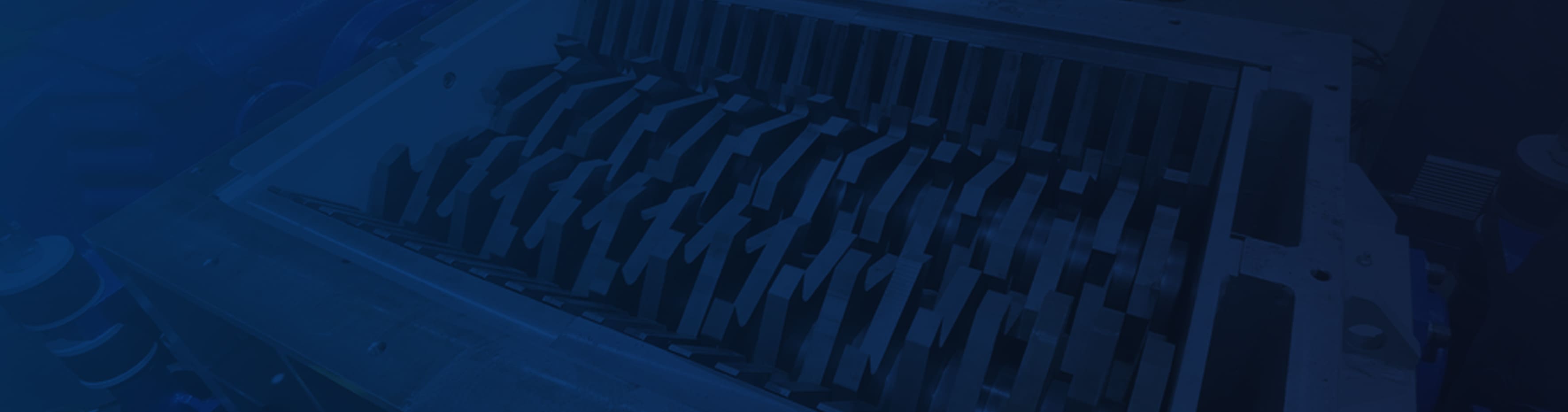
Selecting a suitable single shaft shredder for waste tyres, wood, and plastics is a core component for recycling and solid waste treatment plants to achieve efficient operations. Because these three types of waste exhibit huge differences in physical properties—tyres combine high elasticity with steel-reinforced structures, wood features high fiber content and density spans, and plastics are prone to softening or melting due to friction-induced heat—selection must never be based solely on processing capacity. Instead, it must match multiple dimensions such as structural design, cutter configuration, and core parameters.
Material Characteristics and Core Processing Difficulties:
Waste Tyres: Contain high-strength steel wire beads and synthetic fibers, placing extremely high demands on the equipment's cutting force, impact resistance, and blade wear resistance. They are prone to wrapping or causing severe rotor wear.
Biomass Wood: Varies widely in hardness and moisture content. Processing whole wood pallets or logs requires strong impact resistance, while handling high-moisture wet wood requires preventing screen clogging.
Plastic Scrap: Encompasses a wide variety of types (such as rigid plastic crates, automotive bumpers, or soft films). Plastics tend to soften or stick to blades due to friction-induced heat during shredding, requiring optimized rotational speeds and cooling controls.
Key Technical Specifications for Selection:
Rotor Design and Blade Material: Prioritize wear-resistant blades made of high-quality alloy steel (such as D2 or SKD11). For multi-material shared production lines, choose a rotor structure with four-sided reversible and replaceable cemented carbide cutter heads to extend service life.
Low RPM and High Torque Drive: Shredding tyres and heavy wood requires a combination of low-speed, high-torque gearboxes and electric motors to ensure that large, hard objects can be directly sheared through powerful cutting force, avoiding frequent stalling.
Intelligent Hydraulic Pusher System: The feeding hopper must be equipped with a load-sensing hydraulic pusher plate that automatically adjusts the pushing speed based on rotor load, ensuring materials are fed smoothly and evenly toward the rotating cutter shaft.
Interchangeable Discharge Screen: Configure easily detachable screens. Use large-aperture screens when processing coarse particles like tyres and wood to ensure throughput, while switching to smaller-aperture screens to control output size for subsequent plastic pelletizing.




 IPv6 network supported
leave a message
Scan to wechat :

Scan to Whatsapp :


