Dec 25, 2025
Solid waste refers to the solid and semi-solid waste generated by humans in production, consumption, daily life, and other activities. The main components of solid waste include: solid particles, garbage, slag, sludge, waste products, broken vessels, animal carcasses, deteriorated food, and human and animal manure. Some countries also classify waste acids, alkalis, waste oils, organic solvents, and other highly concentrated liquids as solid waste. So, what are the main ways to deal with solid waste in our country?
1. Compaction: This method compresses solid waste to reduce its volume, lower transportation costs, and extend landfill lifespan. It is applied to materials like automobile parts, cans, and plastic bottles. Compaction is used for dry, rigid solid waste, while wastes such as tar, sludge, or liquids are not suitable because they may cause operational issues.
2. Sorting technology: Through sorting, useful waste is fully selected and utilized, while harmful waste is fully separated. Another one is to separate wastes of different particle sizes. For solid wastes of different natures, various types of machinery can be designed and manufactured. Its main steps include manual collection, screening, gravity separation, magnetic separation, eddy-current separation, and optical separation.
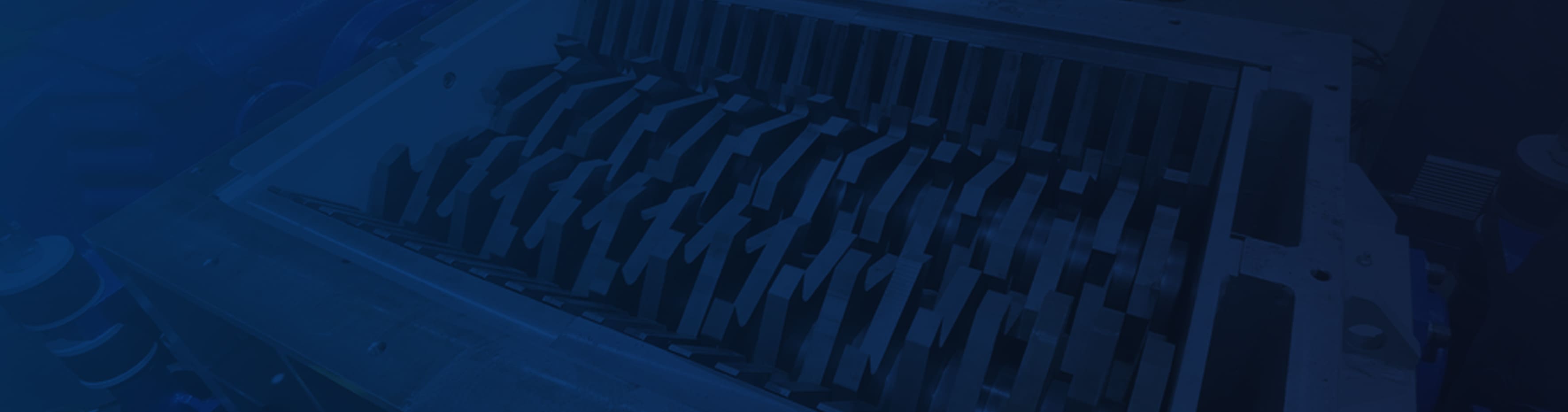
3. Crushing: This method reduces the size of solid waste before further treatment, such as incineration or composting. Crushing creates uniform particles by shearing waste with rotating knives driven by a power system. This eliminates large gaps and ensures even texture and size.
4. The advantages of incineration and pyrolysis technologies are that they can decompose a large amount of hazardous waste into harmless substances. As the proportion of combustibles in solid waste gradually increases, the incineration method for treating solid waste and utilizing its thermal energy has become an inevitable development trend. This method for treating solid waste requires less space, has a high processing capacity, and has a positive impact on environmental protection and energy supply.
5. Biological treatment: This method uses microorganisms to decompose and convert organic waste into energy, feed, or fertilizer. Biological treatment is applied in composting, biogas production, saccharification, fiber-based feed production, and bioleaching to extract metals.
6. Solidification: This process adds stabilizing agents to hazardous waste, fixing or immobilizing it. Methods include cement, asphalt, glass, and self-adhesive curing to make waste inert and easier to handle or dispose of safely.
Read More





 IPv6 network supported


